
Humans (including Neanderthals, Denisovans, etc.) existed for millennia in small hunter-gather groups. Each group made up its own behavioral rules and language or grunts. About 10,000 years ago, some homo sapiens put down roots and invented agriculture. These farmers no longer roamed around exclusively looking for wild food and game. These agricultural pioneers created communities…
Category: Extremism
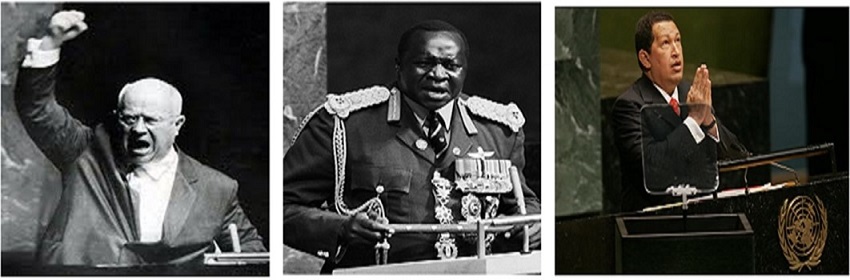
Democracy’s Achilles Heel
The American colonists took the momentous action of cutting their ties with their autocratic British “protectors” in 1776. Their effort was ultimately successful and allowed them to create a new form of government. This new form of government was based on several foundations, such as a) rule by the people, b) the rule of law,…
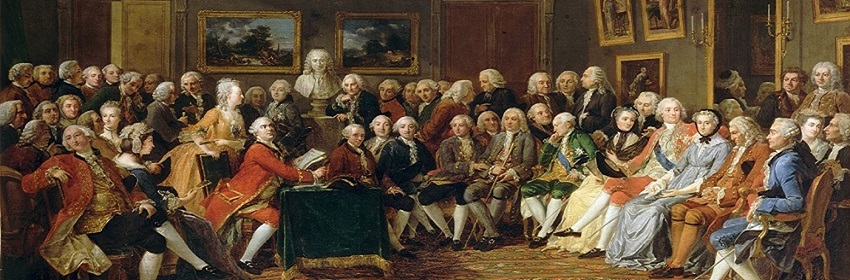
Country Founded on Reason
Proctology and history are probably two of the least favorite majors in graduate school. They both study the ebb and flow of things and are the first to recognize when an eruption is about to occur. Since I know nothing about proctology and want to avoid its subject matter, I will focus on the history…
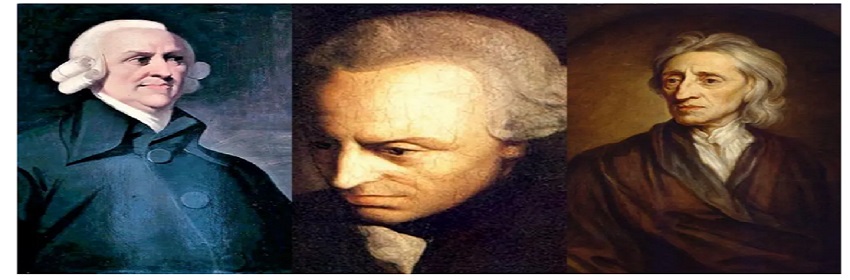
Liberalism and American Democracy
Classical Liberalism Arising from the Age of Reason was a comprehensive political philosophy known as classical liberalism. This philosophy was widely adopted in early America and elsewhere. Ironically, many MAGAs mistakenly believe that liberalism is a dirty, forbidden word. The mere mention of the word in some parts of America will cause “patriots” to whip…
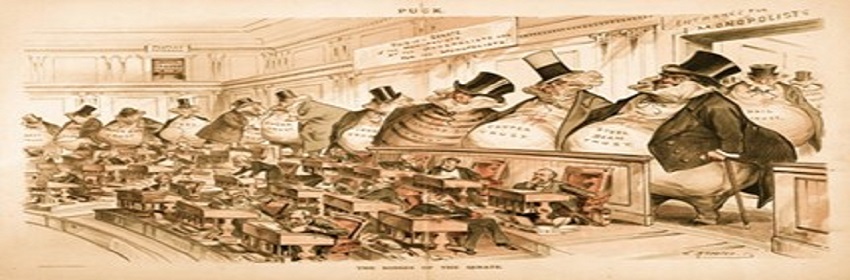
Lessons from History
Fanatical extremists have controlled local towns, counties, regions, and countries worldwide. Before the American Revolution, the Village of Salem and the Witch Trials come to mind regarding religious extremism. The religious fanaticism that gave rise to witch trials started in Europe in the 17th century, but most Europeans came to their senses by the middle…
When Fanatical Extremists Fail
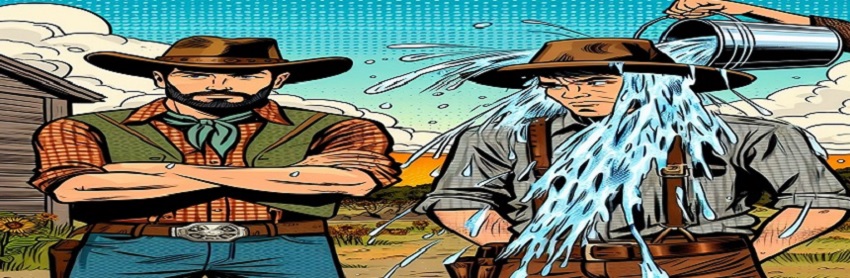
Most of us discount the dangers of fanatical extremism, even though many Americans now believe in some version. We believe the threat to be somewhere out there. However, fanatical extremism can arise from nowhere or reemerge even when we think it has been defeated. Most Americans are largely uninvolved in politics. Despite the high-stakes tension…
Attacking Established Autocracy
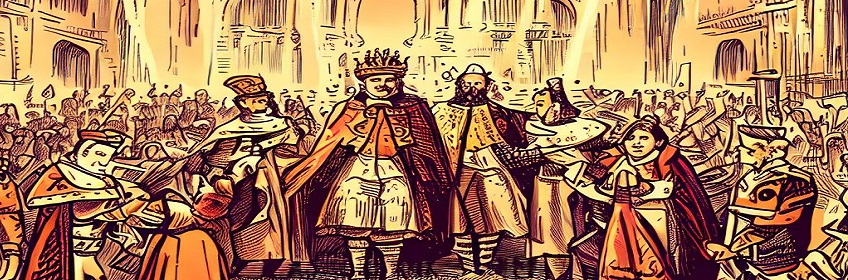
We have discussed the deleterious effects of extremism and autocracy in the 21st century. Let’s go back several centuries to review three experiments in which brave people found ways to break the chains of tyranny instead of remaining attached to the umbilical cord of a freedom-sucking autocracy. As individuals, we tend to be drawn to…
Dutch Revolt of 1566
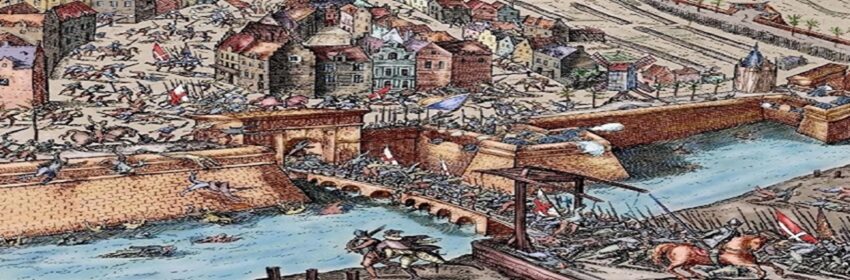
Speaking of the alignment of people, the Dutch Revolt, which started in 1566, is a prime example of the unpredictable nature of political magnetism. The Spanish Netherlands, which today consists mainly of the Netherlands and Belgium, was controlled by the House of Habsburg and the Holy Roman Emperor in 1566. The independent-minded and disunited subjects…
English Civil War
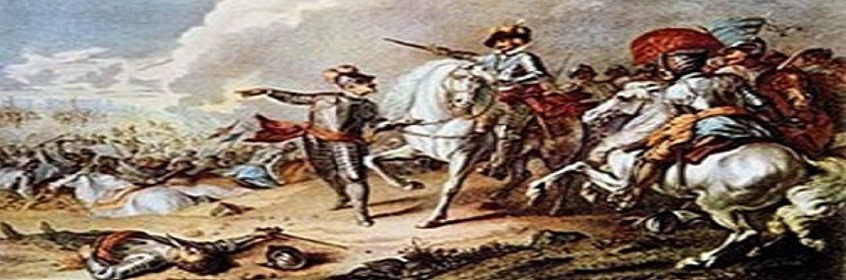
The first question arising from the phrase “the English Civil War” is which one? Scholars may debate what constitutes a discreet English civil war, but there have been around eleven since the Norman Conquest in 1066. Most of the civil wars were between rival barons and royal houses. A succession crisis typically sparked conflicts after…
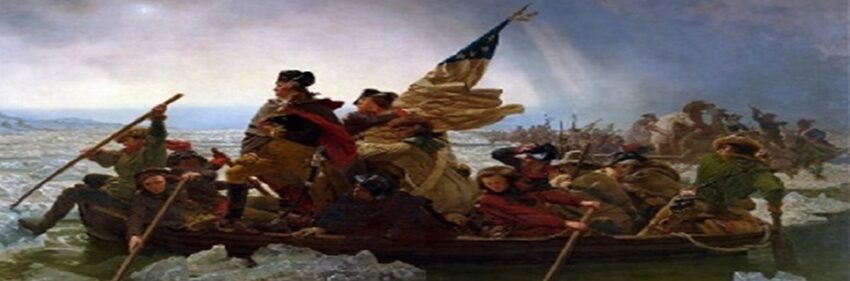
American Revolution
The American Revolution was the first successful, large-scale revolt against autocratic rule. There have been small-scale examples of people who ruled themselves, but nothing on the size of the 13 American colonies. The Dutch Revolt in 1566 and the English Revolution in 1640 were uprising against oppressive autocratic rule, but both were half-measures. While they…