

I’m in my 70s, and I have gone through several economic downturns caused by irrational exuberance and just plain stupidity; today, the hairs on the back of my neck are standing on end. Despite the rosy picture portrayed by President 47, who has personally gone bankrupt six times, and the 40% rise in the semiconductor index in the last 27 days, there are several disconcerting economic indicators.
At the end of the Clinton Administration in December 2000, our total public debt was 54% of our gross domestic product. Today, it is over 123%. I’ve always known that debt, if managed well, can bring prosperity. Oddly, increases in debt are almost always greater under the fiscally conservative Republican administrations. So, this is a concern, but not an immediate one.
The second area of concern is the flow of investment capital to AI. I believe that AI, like the internet, will be a beneficial technology in the long run when we learn to use and manage it. However, there are several signs that we are entering a dot-com-like bubble. This could be a serious problem, but it’s not immediate, either.
The most pressing economic issue might be the global flow of petroleum. There is an unprecedented gap between the “paper” price for oil and the “real” price. The “paper” price is around $90 per barrel, and the “real” price is around $135 per barrel. The normal gap between the paper and real price is less than ONE dollar. Today’s gap is wider than at any time in world history. The real price is the actual physical price large customers pay at delivery for their oil.
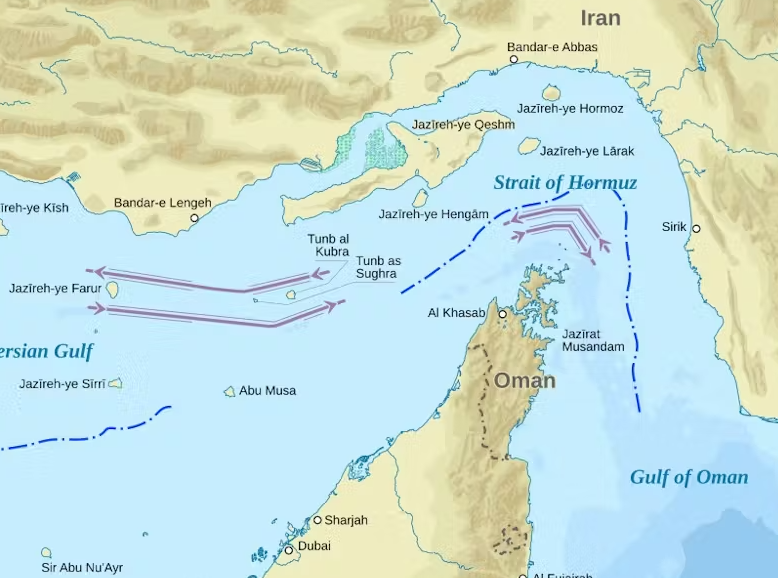
Why is this happening? The near-shutdown of the Strait of Hormuz has created severe strain on the physical oil market, with buyers scrambling to secure barrels to replace disrupted shipments. The paper world is the world of traders and go-betweens. The real world is well…where the rubber meets the road.
The futures market is effectively betting that the Hormuz closure will be short-lived, that strategic reserve releases will bridge the gap, and that ceasefire talks will eventually stabilize flows, which is why paper prices remain comparatively subdued. In short, the spread has been trading in the $30–$45 range in recent days, though it fluctuates significantly. It’s one of the largest paper-versus-physical disconnects in modern oil market history.
In the real world, several countries, mostly in Asia, will run out of petroleum products in the next week or two. This will be catastrophic not only for those most affected but also for the whole world, including the USA.
However, there are clear signs that some very big players are betting that the Strait of Hormuz will reopen very soon, thereby reducing the gap between the paper and physical price of oil. This explains why the “paper” prices are below $100. There have already been signs that some big players have benefited by luck or insider information, as the Trump administration bombs Iran one day, and says that peace is around the corner the next.
While the news media and CNBC seem almost blasé about the flow of oil, if the Strait of Hormuz does not open soon, then the world economy will be in serious trouble. It is becoming increasingly clear that the Trump administration’s decision to attack Iran is an economic, international, and political disaster. However, most troubling is that some greedy people might be manipulating the Iran War, not only to score political points, but also to manipulate the markets for personal gain. This is not unheard of in today’s moral climate. A special forces soldier was recently arrested for his alleged bet to win $400,000 on the Polymarket betting platform. He is alleged to have used inside information to place a bet on President Maduro’s capture.
This may demonstrate something more troubling. What if some group is using inside information or “inside authority” to manipulate the petroleum market for personal gain? They might be able to move the market wildly over the next few weeks and reap the rewards from their insider information. I wonder if they will be arrested like the lowly American soldier?
Michael Burry, of The Big Short Fame, recently said the following: the stock market is “Trump’s kryptonite,” saying his Iran strategy is “just get out before the market crashes too much. It’s a shame that Americans died for this.”
However, Trump might not be able to control when and how the war ends. It is quite possible that Iran might not follow Venezuela’s path and roll over. Iran might behave more like Afghanistan than a country in South America or the Caribbean. If the war drags on, not only will the world economy suffer, but those artificially inflating petroleum’s “paper” prices might be in for a big shock!